
Friendly Note: TheInspiringSouls.com shares general info for curious minds 🌟 Please fact-check all claims and always check health matters with a professional 💙
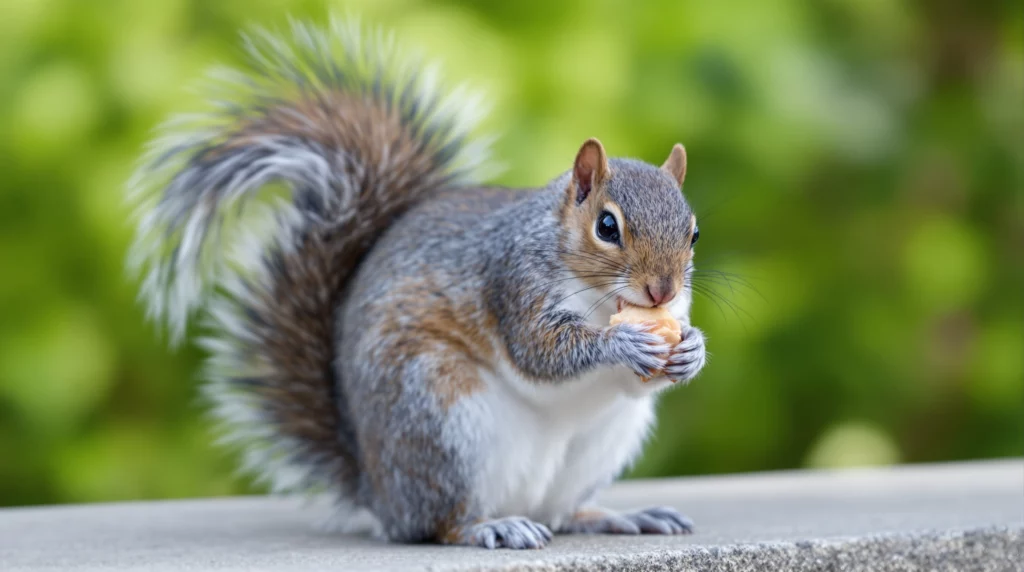
Picture this: you’re walking through your favorite park, watching the familiar sight of fluffy-tailed squirrels darting between trees, cheeks bulging with acorns and nuts. These charming little acrobats have entertained us for generations with their playful antics and impressive gymnastics as they leap from branch to branch. We’ve always known exactly what to expect from these furry park residents.
But what if everything we thought we knew about these seemingly predictable creatures was about to change forever?
Something Strange Was Happening in California
In the summer of 2024, researchers visiting Briones Regional Park in Contra Costa County, California, witnessed something that made them question their own eyes. The familiar squirrels they’d been studying for years were doing something completely unexpected, something that had never been documented before in the scientific community.
Dr. Sonja Wild, one of the lead researchers from UC Davis, later admitted: “I could barely believe my eyes… Once we started looking, we saw it everywhere.” Her colleague, Jennifer E. Smith, was equally stunned, saying simply, “We had never seen this behavior before.”
What they were witnessing would challenge decades of scientific understanding about one of North America’s most common rodents.
The Shocking Discovery That Changed Everything
Between June and July 2024, these researchers documented something extraordinary: California ground squirrels had become active hunters. Not just occasional scavengers picking at leftover scraps, but deliberate, systematic predators stalking live prey.
The research team, working with the University of California, Davis and University of Wisconsin-Eau Claire, recorded 74 different interactions between ground squirrels and voles (small rodent relatives of hamsters). In an astonishing 42% of these encounters, the squirrels were actively hunting their prey.
The hunting behavior was methodical and efficient. Squirrels would stalk their targets, chase them down, and then pounce with surprising precision. They’d grab the voles by the neck, deliver fatal bites, and then consume the flesh and organs. This wasn’t random or accidental behavior. It was purposeful predation by animals previously considered strict vegetarians.
How We Got It So Wrong
For decades, scientists classified California ground squirrels as herbivores with occasional opportunistic tendencies. Sure, they might snatch an insect here or there, maybe raid a bird’s nest if the opportunity presented itself. These incidents were rare and considered exceptions rather than the rule.
The typical ground squirrel diet consists of seeds, nuts, fruits, and fungi. Their entire digestive system seemed designed for processing plant matter. Previous scientific literature contained only scattered reports of squirrels consuming animal protein, and these were usually dismissed as unusual one-off events.
Some isolated incidents had been reported over the years. Red squirrels occasionally attacking sparrows, or bold individuals attempting to take on chickens. But documented hunting of mammals by ground squirrels? That was completely unprecedented.
The Perfect Storm
So what triggered this dramatic behavioral shift? The answer lies in a remarkable environmental event that occurred in 2024. The local vole population in Briones Regional Park experienced an explosion unlike anything seen in recent memory.
Using citizen science data from iNaturalist, researchers discovered that vole abundance was seven times higher than the ten-year average. These small rodents were everywhere, creating an unprecedented opportunity for the adaptable ground squirrels.
The timing wasn’t coincidental. The massive surge in vole numbers coincided exactly with the emergence of hunting behavior among the squirrels. It appears these resourceful rodents recognized a golden opportunity when they saw one and adapted their behavior accordingly.
What makes this discovery even more remarkable is how quickly the behavior spread throughout the squirrel population. Squirrels of all ages and sexes began participating in the hunts, suggesting that this wasn’t just a learned behavior from a few individuals, but a rapid adaptation across the entire community.
Nature’s Ultimate Survivors
This behavioral flexibility, known scientifically as dietary plasticity, showcases just how adaptable animals can be when faced with changing circumstances. Dr. Wild noted the broader implications: “The fact that California ground squirrels are behaviorally flexible and can respond to changes in food availability might help them persist in environments rapidly changing due to the presence of humans.”
This adaptability could be crucial for survival in our rapidly changing world. As human activities and climate fluctuations continue to alter natural habitats, animals that can adjust their behavior and diet may have significant advantages over their more rigid counterparts.
The squirrels’ newfound hunting prowess demonstrates their opportunistic nature and highlights the dynamic relationships between species within an ecosystem. When circumstances change, nature finds a way to adapt, often in ways that surprise even experienced researchers.
Ripple Effects Through the Ecosystem
The emergence of squirrels as active predators introduces an entirely new dynamic to the local ecosystem. Voles, which previously faced predation primarily from owls, hawks, foxes, and snakes, now have to contend with an additional predator that shares their ground-level habitat.
This shift could significantly impact vole population dynamics, potentially helping to control their numbers during population surges. However, it also means that other traditional vole predators may face increased competition for this food source, which could lead to cascading effects throughout the entire food web.
The squirrels’ expanded diet fundamentally alters their role within the ecosystem. They’re no longer just seed dispersers and prey animals; they’ve become active participants in controlling small mammal populations. This change could affect species diversity and alter interaction patterns that have been stable for generations.
A Window Into Ancient Eating Habits
Interestingly, this modern discovery connects to much older patterns in animal evolution. Research from the University of Arizona reveals that carnivorous behavior can be traced back over 800 million years, making it one of the oldest dietary strategies in the animal kingdom.
While herbivorous diets are relatively recent developments in evolutionary terms, the capacity for predatory behavior appears to be deeply rooted in animal genetics. This suggests that the California ground squirrels’ newfound hunting behavior might not be as surprising as it initially appears. Instead, it could represent the activation of ancient genetic programming that has remained dormant until environmental conditions made it advantageous.
The research shows that switching between dietary strategies isn’t common in nature and typically requires significant changes in an animal’s anatomy and behavior. However, when environmental pressures create the right conditions, these adaptations can emerge remarkably quickly.
What Happens Next?
As fascinating as this discovery is, it raises numerous questions about the future. Will this carnivorous behavior persist now that vole numbers are beginning to decline? Could these hunting techniques spread to other squirrel populations? And what are the long-term implications for ecosystem balance?
Researchers plan to continue monitoring these populations closely to assess whether this represents a temporary adaptation to unusual circumstances or the beginning of a more permanent behavioral shift. The scientific community is particularly interested in understanding whether this behavior could be passed on to future generations.
The broader implications extend beyond just squirrels and voles. This discovery demonstrates how quickly animals can adapt to changing environmental conditions, offering both hope and concern for wildlife conservation efforts. If animals can adapt this rapidly to new circumstances, it suggests remarkable resilience in the face of environmental change.
Rewriting the Textbooks
The discovery of systematic carnivorous behavior in California ground squirrels represents more than just an interesting footnote in animal behavior research. It fundamentally challenges our understanding of dietary flexibility in mammals and highlights the importance of continued observation and study of seemingly familiar species.
Some observers have interpreted this event through different lenses. Religious perspectives note this as evidence of creation adapting to a world affected by original sin, where carnivorous behavior represents a departure from an originally peaceful state. Regardless of one’s philosophical interpretation, the practical implications remain significant.
This research underscores the dynamic nature of ecosystems and the remarkable adaptability of wildlife. It serves as a reminder that even in our well-studied natural world, surprises await those who take the time to look carefully. The familiar park squirrels that we thought we knew so well have revealed a hidden capacity that was there all along, waiting for the right circumstances to emerge.
As we continue to modify natural environments through human activity, understanding how animals adapt and respond becomes increasingly crucial. The California ground squirrels’ hunting behavior offers a fascinating glimpse into the resilience and flexibility of wildlife, reminding us that nature’s capacity for surprise remains boundless.
The next time you see a squirrel in your local park, you might find yourself looking at it with new eyes, wondering what other hidden behaviors and adaptations lie dormant beneath that familiar, fluffy exterior.