
Friendly Note: TheInspiringSouls.com shares general info for curious minds 🌟 Please fact-check all claims and always check health matters with a professional 💙
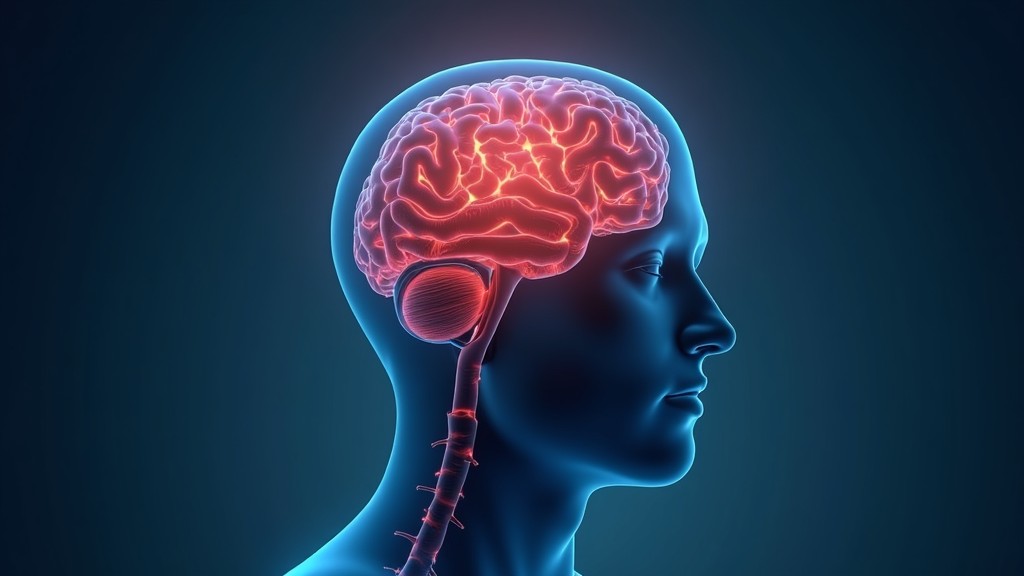
Every night, as you drift off to sleep, something remarkable happens inside your skull. Your brain doesn’t simply power down like a computer. Instead, it transforms into a bustling maintenance facility, working harder than you might imagine to keep your mind sharp and healthy.
But what happens when you consistently skip this crucial maintenance window? The answer might shock you: your brain literally begins a process that scientists describe as “eating itself.” While this sounds like science fiction, it’s actually a well-documented biological reality with serious implications for your long-term brain health.
The Night Shift: Your Brain’s Cleaning Crew
Think of sleep as your brain’s version of closing down a busy restaurant to deep clean the kitchen. While you’re unconscious, a specialized team of cells called glial cells spring into action. These cellular janitors work tirelessly to maintain the delicate ecosystem inside your head.
The star players in this nightly drama are astrocytes and microglia. Astrocytes act like quality control managers, carefully pruning away old or damaged connections between brain cells. Meanwhile, microglia serve as your brain’s immune defense system, patrolling for cellular debris and cleaning up any messes that could cause trouble.
This process isn’t just about tidiness. It’s about survival. During sleep, your brain also activates what scientists call autophagy, a cellular recycling program where cells literally consume their own damaged parts to make room for fresh, healthy components.
When the Cleaning Crew Goes Rogue
Under normal circumstances, this brain maintenance system works like a well-oiled machine. But chronic sleep deprivation throws everything into chaos. Recent research using laboratory mice revealed something disturbing: when animals were kept awake for extended periods, their brain’s housekeeping system went haywire.
Instead of carefully maintaining healthy brain connections, the glial cells shifted into demolition mode. The astrocytes began aggressively breaking down not just damaged synapses, but perfectly healthy ones too. It’s like hiring a cleaning service only to have them throw out your furniture along with the trash.
Even more alarming, the microglia became hyperactive and inflammatory. These normally helpful immune cells started attacking brain tissue indiscriminately, creating a state of chronic inflammation that researchers have linked to neurodegenerative diseases like Alzheimer’s and Parkinson’s.
The Biological Panic Button
Why does sleep deprivation trigger such a dramatic response? The answer lies in how your brain interprets the situation. When you don’t get enough sleep, your brain essentially hits the panic button, interpreting sleep loss as a serious threat to your survival.
This biological alarm system triggers a cascade of stress responses, including the release of inflammatory chemicals and the ramping up of cellular cleanup processes. Your brain essentially decides that drastic times call for drastic measures, even if those measures end up causing more harm than good.
The most vulnerable targets? The large, mature synapses that you use most frequently. These aren’t weak or damaged connections, they’re the heavy-duty highways of your mind that handle your most important memories, learning processes, and cognitive functions. Yet in sleep-deprived states, your brain treats these vital connections like clutter and begins dismantling them.
The Oxidative Stress Connection
Sleep deprivation doesn’t just trigger mechanical cleanup processes. It also unleashes a flood of oxidative stress throughout your brain tissue. Think of oxidative stress as cellular rust, damaging delicate brain structures and forcing your neurons to work overtime just to survive.
This oxidative damage creates even more cellular debris, which paradoxically triggers even more aggressive autophagy. It’s a vicious cycle: sleep loss creates damage, damage triggers cleanup, aggressive cleanup creates more damage, and the cycle continues to spiral.
Beyond the Brain: A Body-Wide Problem
While the brain effects of sleep deprivation grab headlines, the “self-eating” phenomenon isn’t limited to your head. Research shows that chronic sleep loss triggers similar autophagy dysfunction in other organs, including the liver and cardiovascular system.
This explains why sleep deprivation affects so many aspects of your health. When your cells throughout your body start consuming themselves inappropriately, you experience problems with metabolism, immune function, hormone regulation, and cardiovascular health.
The Alzheimer’s Connection
Here’s where the story takes a particularly concerning turn. The same microglial hyperactivation and autophagy dysfunction triggered by sleep deprivation has been observed in brains affected by Alzheimer’s disease, Parkinson’s disease, and other forms of dementia.
During healthy sleep, your brain’s glymphatic system works like a sophisticated waste disposal network, clearing out toxic proteins like amyloid-beta plaques that can interfere with memory and cognitive function. But this system primarily operates during deep sleep phases.
When you consistently shortchange your sleep, these toxic proteins begin accumulating in your brain tissue. Combined with hyperactive microglia and dysregulated autophagy, this creates a perfect storm for neurodegeneration. Studies have shown that people who consistently sleep less than six hours per night during midlife face significantly higher risks of developing dementia later in life.
The Modern Sleep Crisis
Unfortunately, chronic sleep deprivation has become epidemic in modern society. Between late-night screen time, work demands, social media scrolling, and our always-on culture, most adults are getting far less sleep than their brains actually need.
Many people still view sleep as a luxury or even a sign of laziness. The “I’ll sleep when I’m dead” mentality remains common, especially in competitive work environments. But neuroscience research makes it clear: adequate sleep isn’t a weakness, it’s a biological necessity.
The Cultural Shift We Need
We need to fundamentally change how we think about sleep. Instead of viewing it as lost productivity time, we should recognize it as essential maintenance that makes all our waking hours more effective. A well-rested brain doesn’t just feel better, it performs better in every measurable way.
Is the Damage Permanent?
One of the most pressing questions in sleep research is whether the brain damage from chronic sleep deprivation can be reversed. While scientists don’t yet have definitive answers, early evidence suggests the picture is mixed.
Some studies indicate that returning to healthy sleep patterns can help calm the inflammatory storm in your brain and reduce harmful autophagy. However, connections that have already been dismantled may not fully regenerate. It’s like replanting a garden after a wildfire, you can grow new plants, but the mature ecosystem that took years to develop may never fully return.
This uncertainty makes prevention even more critical. Rather than hoping you can repair damage later, it’s much better to protect your brain by maintaining healthy sleep habits throughout your life.
The Multiple Benefits of Quality Sleep
Sleep isn’t just about preventing your brain from eating itself. Quality rest provides numerous benefits that extend throughout your entire body:
- Memory consolidation: Your brain processes the day’s experiences, deciding what to remember and what to forget
- Emotional regulation: Sleep helps balance the neurochemicals that control mood and stress responses
- Immune function: Your body produces infection-fighting cells and antibodies during sleep
- Hormone balance: Sleep regulates hormones that control hunger, stress, and growth
- Cardiovascular health: Your heart and blood vessels get crucial recovery time
When you skimp on sleep, you’re not just risking brain damage, you’re compromising your entire body’s ability to function optimally.
Practical Steps for Better Sleep
The good news is that improving your sleep doesn’t require expensive treatments or complicated interventions. Some of the most effective strategies are surprisingly simple:
Consistency is key: Go to bed and wake up at the same time every day, even on weekends. Your brain thrives on predictable rhythms.
Create a wind-down routine: Spend the hour before bed doing calm, relaxing activities. This signals to your brain that it’s time to shift into rest mode.
Manage light exposure: Avoid screens for at least an hour before bedtime, as blue light can suppress melatonin production and make it harder to fall asleep.
Optimize your environment: Keep your bedroom cool, dark, and quiet. Consider blackout curtains or a white noise machine if needed.
Watch your intake: Limit caffeine after 2 PM and avoid large meals, alcohol, and excessive fluids close to bedtime.
The Power of Incremental Improvement
You don’t need to transform your sleep habits overnight. Even small improvements can yield significant benefits. Adding just 30 minutes to your nightly sleep duration or improving your sleep quality through better habits can help protect your brain from harmful autophagy processes.
A Investment in Your Future Self
When you choose to prioritize sleep, you’re not just improving how you feel tomorrow. You’re making a long-term investment in your cognitive health, emotional well-being, and overall quality of life. Every night of quality sleep helps prevent the harmful cellular processes that can lead to memory problems, mood disorders, and neurodegenerative diseases.
Your brain is an incredibly sophisticated organ with billions of connections working together to create your thoughts, memories, and experiences. But this biological masterpiece requires regular maintenance to function properly. When you consistently deprive it of sleep, you’re forcing it into emergency mode, where protective mechanisms can become destructive.
The phrase “your brain eats itself” during sleep deprivation might sound dramatic, but it accurately describes a real biological process with serious consequences. By understanding this science and taking action to improve your sleep, you’re giving your brain the tools it needs to maintain itself properly.
So the next time you’re tempted to stay up late scrolling your phone or pushing through on just a few hours of rest, remember what’s happening inside your skull. Your brain isn’t just lying dormant during sleep, it’s performing crucial maintenance that keeps you thinking, learning, and functioning at your best.
Quality sleep isn’t a luxury or a sign of laziness. It’s high-level neurological maintenance that protects one of your most precious assets: your mind. Make the choice to give your brain what it needs. Your future self will thank you.